Landforms and Countries
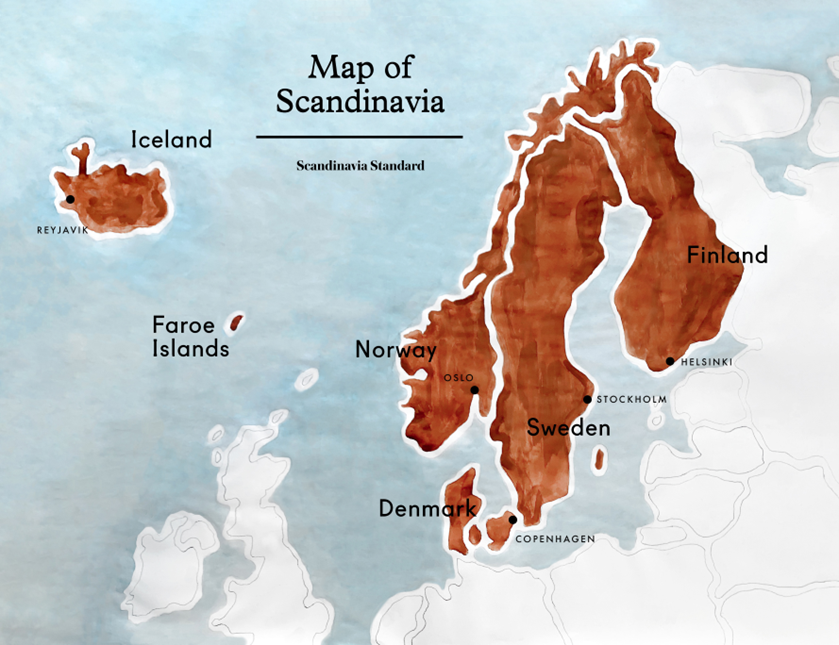
Image Courtesy of https://www.scandinaviastandard.com/where-is-scandinavia-a-guide-to-the-scandinavian-countries/
Scandinavia is a region in northern Europe characterized by diverse and dramatic landscapes. It primarily includes Denmark, Norway, and Sweden, with the Scandinavian Peninsula—the largest peninsula in Europe—comprising the mainland parts of Norway, Sweden, and the northwestern region of Finland.
The peninsula stretches approximately 1,850 kilometers (1,150 miles) from north to south and varies in width from 370 to 805 kilometers (230 to 500 miles).
Its geography is dominated by the Scandinavian Mountains, which run along the border between Norway and Sweden, featuring the highest peak in the region—Galdhøpiggen in Norway at 2,469 meters (8,100 ft). These mountains also include the largest glacier on mainland Europe, Jostedalsbreen.
Galdhøpiggen
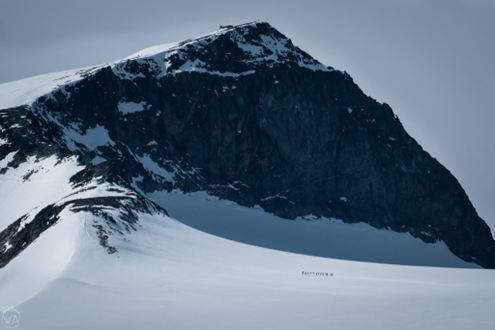
Image Courtesy of https://worlderingaround.com/en/travel-blog/galdhopiggen-highest-mountain-norway
Why Iceland is culturally close to Scandinavia, even if it isn’t geographically close?
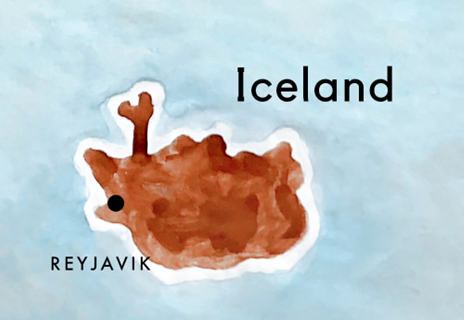
Image Courtesy of https://www.scandinaviastandard.com/where-is-scandinavia-a-guide-to-the-scandinavian-countries/
Iceland’s strong connection comes from history:
It was settled mainly by Norse people from Norway in the 9th century.
The language Icelandic is very close to Old Norse. Iceland preserved the Viking sagas, such as the Prose Edda.
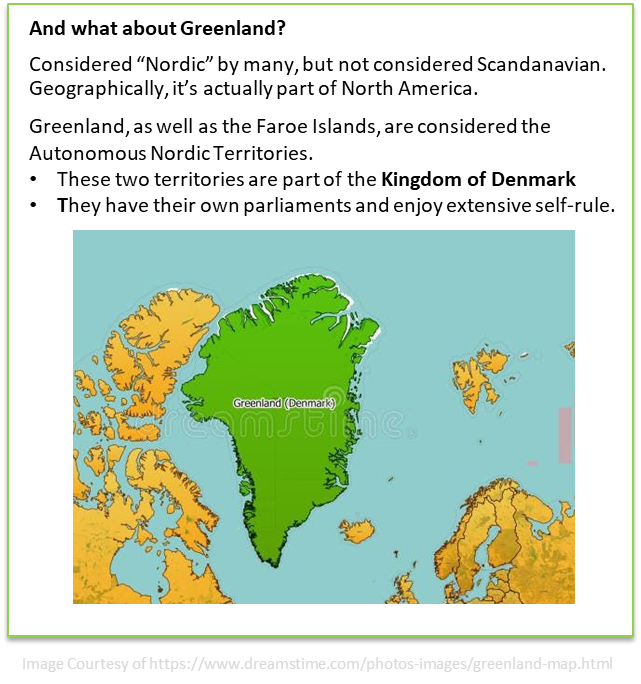
Why are all these places grouped together?
They are considered part of the Nordic World because they share:
History
• Viking expansion and Norse settlement
• Medieval unions (like the Kalmar Union)
Language families
• North Germanic languages (Danish, Swedish, Norwegian, Icelandic, Faroese)
Political culture
• Parliamentary democracy
• Strong welfare states
• Close regional cooperation
Institutions
• Nordic Council
• Nordic Council of Ministers Shared labor and travel agreements
Climate and Weather
The region’s climate varies significantly: maritime west coast climates prevail in western Norway and southern Sweden, with heavy precipitation due to orographic lift, where air currents and associated weather are altered by the nearby mountain. Looking to the far north, subarctic and tundra climates dominate that region. The southern regions, including Denmark and southern Sweden, have a temperate climate with milder winters.
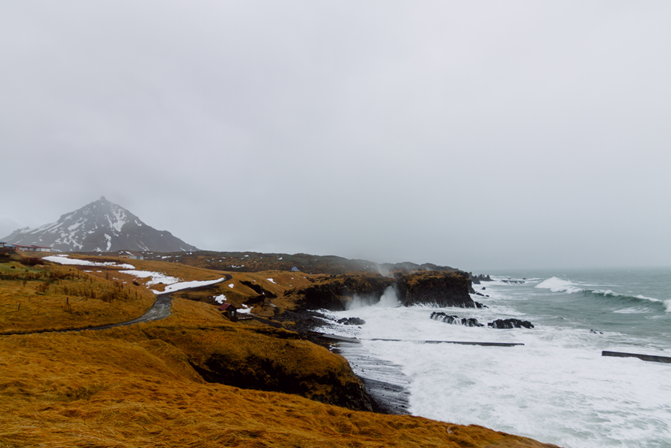
Image Courtesy of https://www.freepik.com/
The landscape includes fjords—narrow, deep inlets carved by glaciers—especially along Norway’s rugged western coast, as well as vast forests, numerous lakes (especially in Sweden and Finland), and extensive archipelagos.
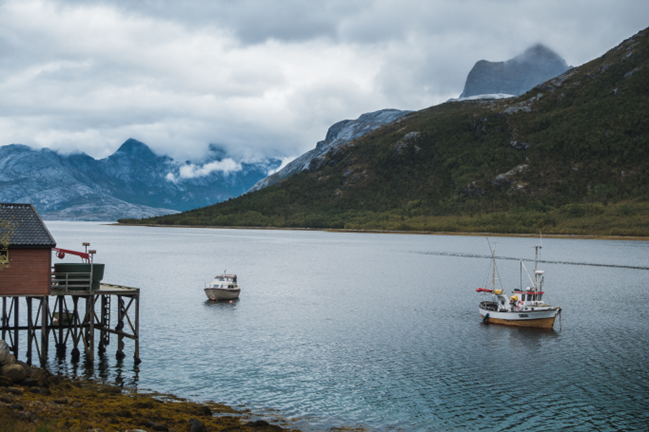
Image Courtesy of https://www.freepik.com/
Demographics and Resources
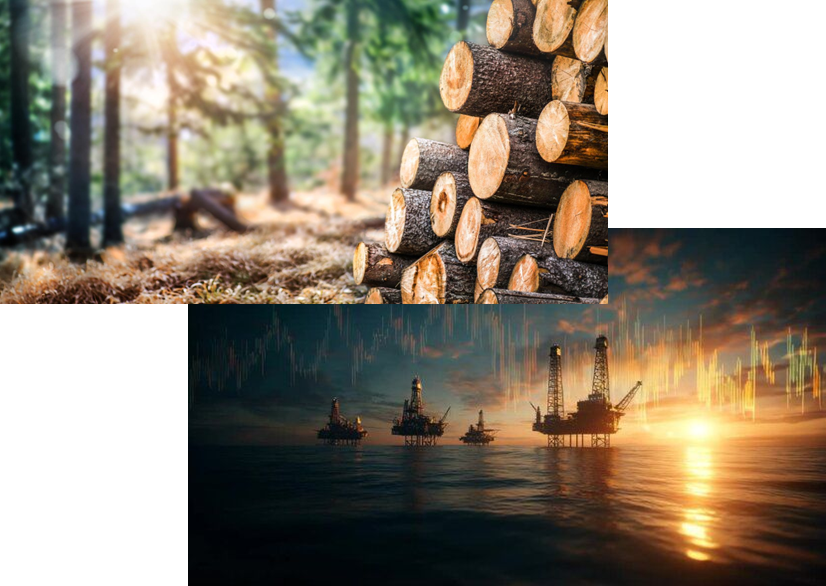
Despite its large land area, population density is low, with most people concentrated in the southern and coastal areas. The region is rich in natural resources, including timber, iron, copper, and offshore oil and gas deposits in Norway.
The Fennoscandian Shield, an ancient geological formation, underlies much of the area and contributes to its stable, rocky terrain. The Gulf Stream moderates the climate, giving Scandinavia milder temperatures than other regions at similar latitudes.
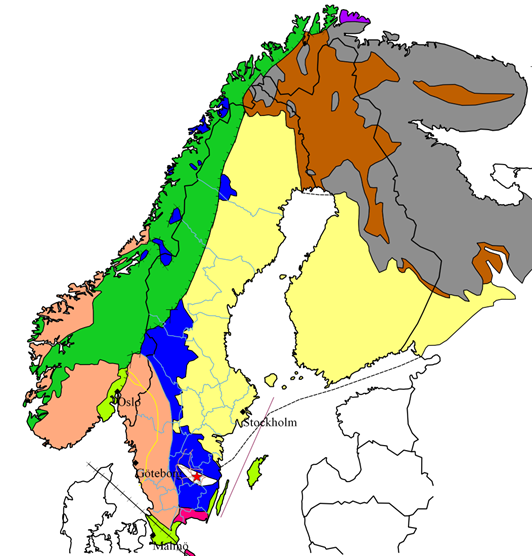
The Fennoscandian Shield
Image Courtesy of https://upload.wikimedia.org/
How Has Geography Shaped Nordic Culture?
The defining features of Nordic geography—mountains, fjords, islands, harsh winters, and the surrounding ocean—did not act in isolation; together, they shaped a distinctive cultural character over centuries.
The rugged mountains and deep fjords limited overland travel and made large-scale agriculture difficult, naturally turning people toward the sea. As a result, Nordic societies became highly skilled in seafaring, developing ships, navigation techniques, and maritime traditions that would eventually define the era of the Viking Age. The abundance of islands further reinforced this outward orientation, encouraging exploration and movement across vast distances.
Long, dark winters and cold climates fostered a strong indoor culture centered on storytelling, reflection, and shared experience. These environmental pressures helped give rise to rich mythological traditions, preserved in works like the Poetic Edda, where themes of survival, fate, and powerful natural forces are ever-present.
Geographic isolation—caused by both terrain and climate—meant that communities often had to rely heavily on one another. This dependence nurtured cooperation, collective decision-making, and relatively egalitarian social structures. Limited arable land further reinforced this pattern, as it prevented the consolidation of vast estates and contributed to societies with fewer rigid class divisions and more independent farmers.
Finally, the omnipresence of the ocean tied everything together. It was both a barrier and a bridge—isolating communities while simultaneously connecting them through trade, migration, and cultural exchange. Over time, this dual role of the sea helped produce a people who were not only resilient and self-reliant, but also outward-looking and adaptable.
In this way, geography did not merely influence Nordic culture—it formed the foundation upon which it was built. Nordic culture is a culture of people who learned to survive on the edge of the habitable world — and that made them explorers, storytellers, sailors, and unusually cooperative societies.